Learning Computer Architecture with Raspberry Pi offers a structured introduction to the inner workings of modern computing systems. The book focuses on explaining fundamental concepts such as central processing unit design, memory hierarchy, input/output mechanisms, and instruction sets. By using the Raspberry Pi as a practical platform, readers gain hands-on experience that reinforces theoretical knowledge. The content is presented in a clear, step-by-step manner, making complex topics accessible to self-learners and classroom environments alike. Each chapter builds on previous material, ensuring a logical progression from basic logic gates to advanced processor architectures. The text avoids unnecessary jargon and emphasizes real-world applications, helping readers understand how hardware and software interact at a low level.
Learn Computer Architecture with Raspberry Pi Great Value

Computer Components
Learning Computer Architecture with Raspberry Pi
$19.00
The price is for reference only, the actual price shall be subject to that on Amazon.
Learn Computer Architecture with Raspberry Pi – Great Value.
An affordable introduction to computer architecture using Raspberry Pi. Covers CPU, memory, I/O, and pipelining with hands-on exercises. Perfect for students and hobbyists seeking practical knowledge without high costs.
Product Description
This approach encourages active learning through coding exercises and hardware experiments using the Raspberry Pi’s general-purpose input/output pins. The book also covers the ARM architecture, which is the basis for the Raspberry Pi’s processor, giving readers insight into a widely used embedded system design. With its balanced mix of theory and practice, this resource serves as a solid foundation for anyone looking to deepen their understanding of computer organization. The volume systematically examines critical components of a computer system, including the data path, control unit, cache memory, and pipelining techniques. Each topic is illustrated with diagrams and example code that runs directly on the Raspberry Pi, bridging the gap between abstract concepts and tangible results.
The book also discusses operating system fundamentals, assembly language programming, and the role of compilers, providing a comprehensive view of the entire computing stack. Readers will learn how to write efficient programs by considering hardware constraints such as clock speed, power consumption, and memory bandwidth. The practical exercises are designed to be completed with a standard Raspberry Pi board and common peripherals, minimizing additional equipment costs. Through these activities, users can observe how changes in hardware design affect performance and can experiment with simple modifications. This iterative process builds intuition about trade-offs in computer architecture, a skill valuable for both academic study and professional development.
The content is regularly updated to remain relevant, though the edition available at this affordable price retains all essential material for mastering core concepts. Durability and build quality are not applicable to a book, but the physical copy features a sturdy paperback binding that withstands frequent use. The pages are printed on standard paper stock with clear typeface and well-organized layouts, making navigation easy. For those preferring digital access, an electronic version is available. The writing style is direct and instructional, with ample examples and troubleshooting tips.
The book assumes no prior knowledge of electronics or advanced mathematics, making it suitable for beginners. At the same time, it includes enough depth to challenge intermediate learners. The price point makes this an excellent budget-friendly resource for students, hobbyists, and educators looking to incorporate practical computer architecture lessons into their curriculum. Compared to other textbooks on the subject, this guide offers a unique blend of affordability and hands-on learning that is hard to find elsewhere. The author’s focus on clarity and applicability ensures that readers finish the book with both theoretical understanding and practical skills applicable to Raspberry Pi projects, IoT development, or further studies in computer engineering.
Price Compare










Today's Deals


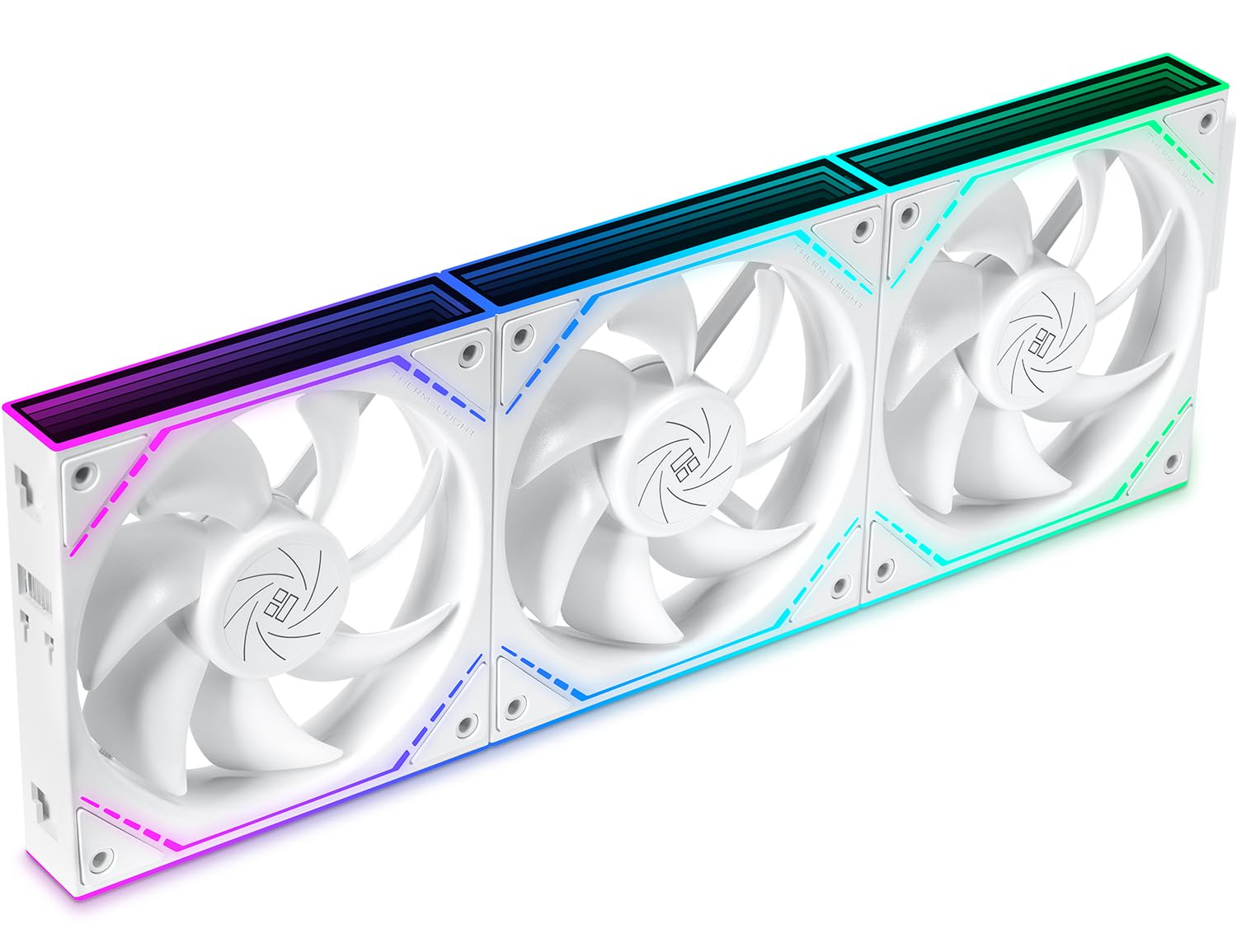
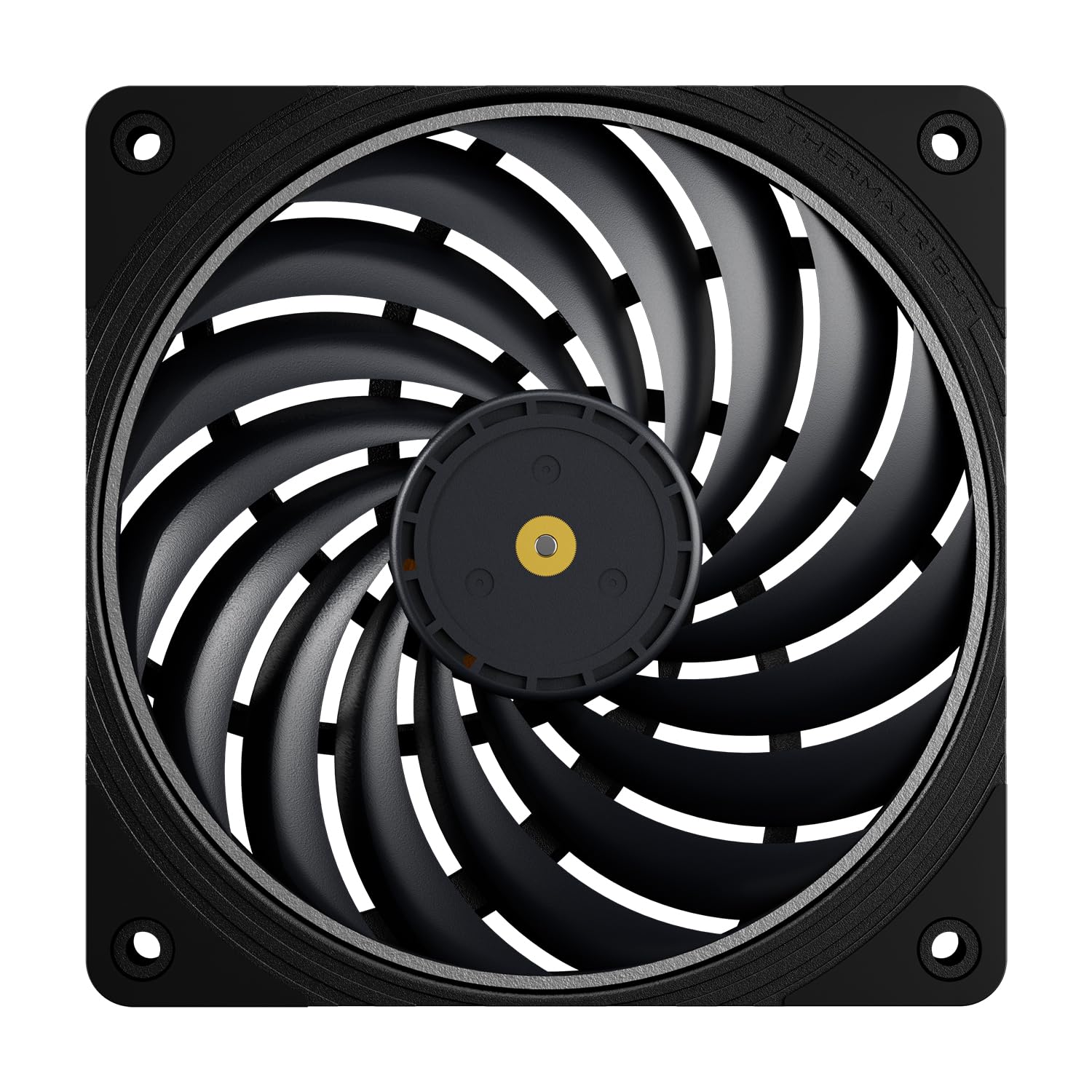
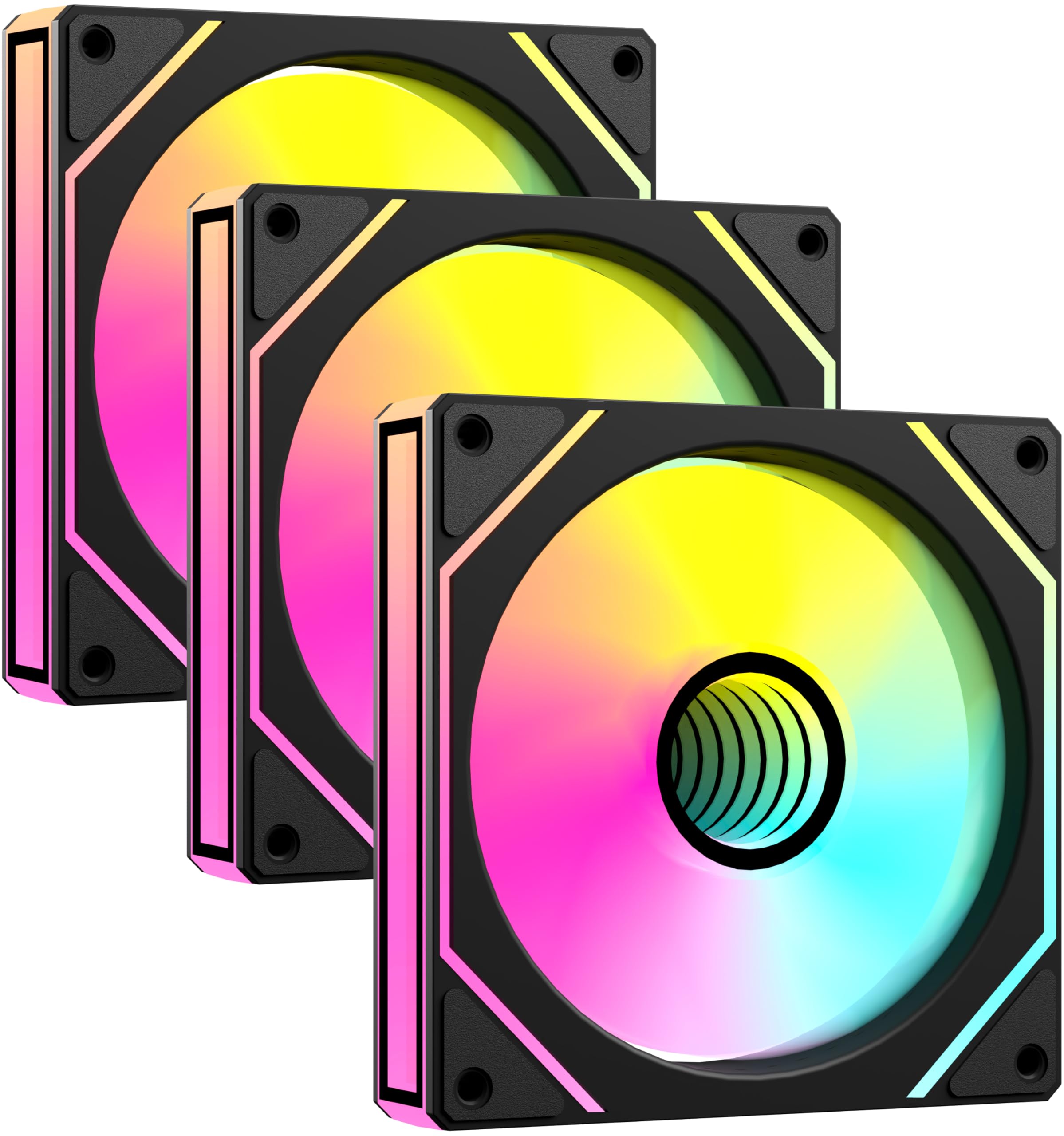
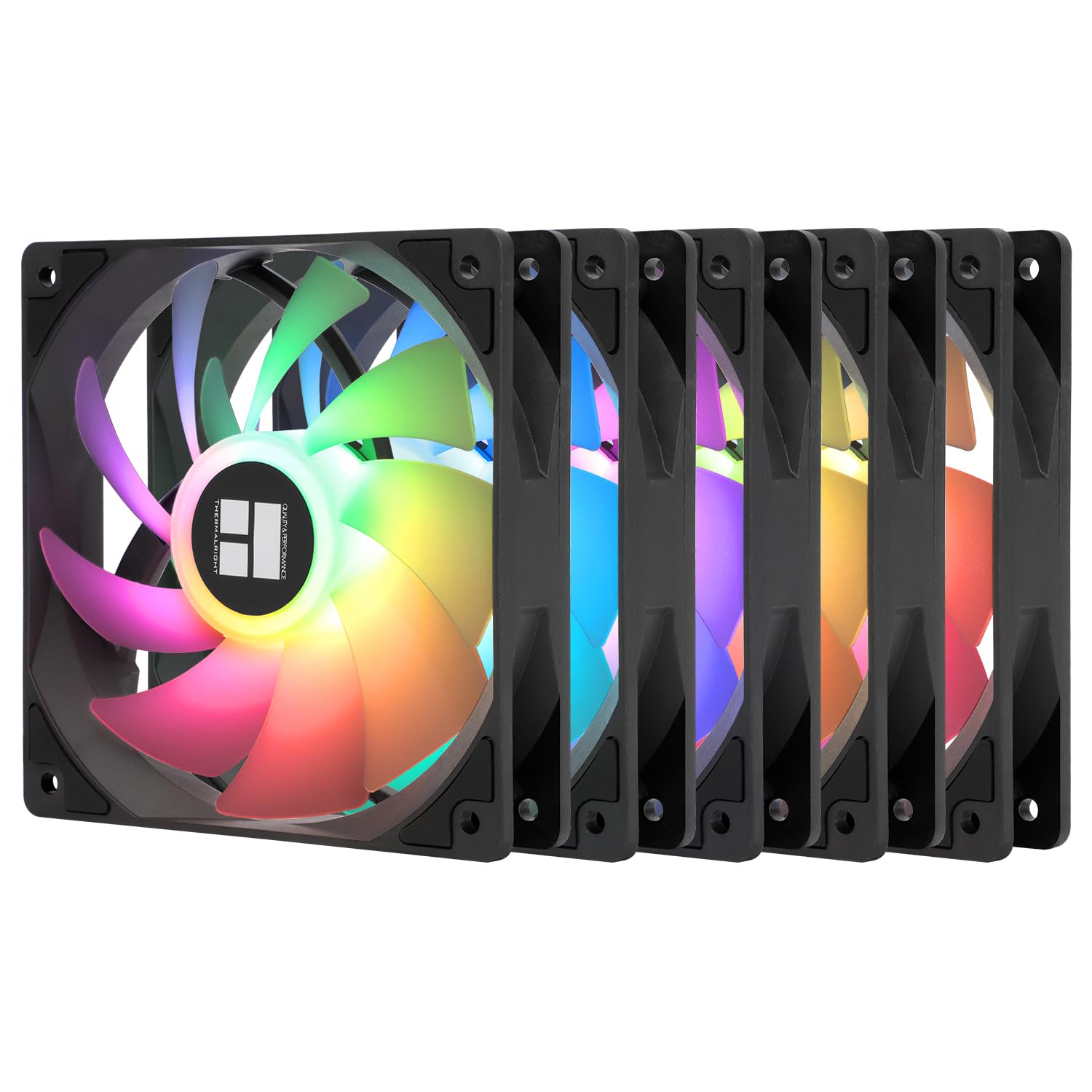
Thermalright TL-C12C X3 CPU Fan 120mm Case Cooler Fan, 4pin PWM Silent Computer Fan with S-FDB Bearing Included, up to 1550RPM Cooling Fan(3 Quantities)",B0BKKG1ZND,$11.54,4.5,https://m.media-amazon.com/images/I/612RL8vAL9L._AC_UY218_.jpg,0,https://www.amazon.com/dp/B0BKKG1ZND,4 ASUS ROG Strix B850-A Gaming WiFi AMD AM5 B850 ATX Motherboard 14+2+2 Power Stages