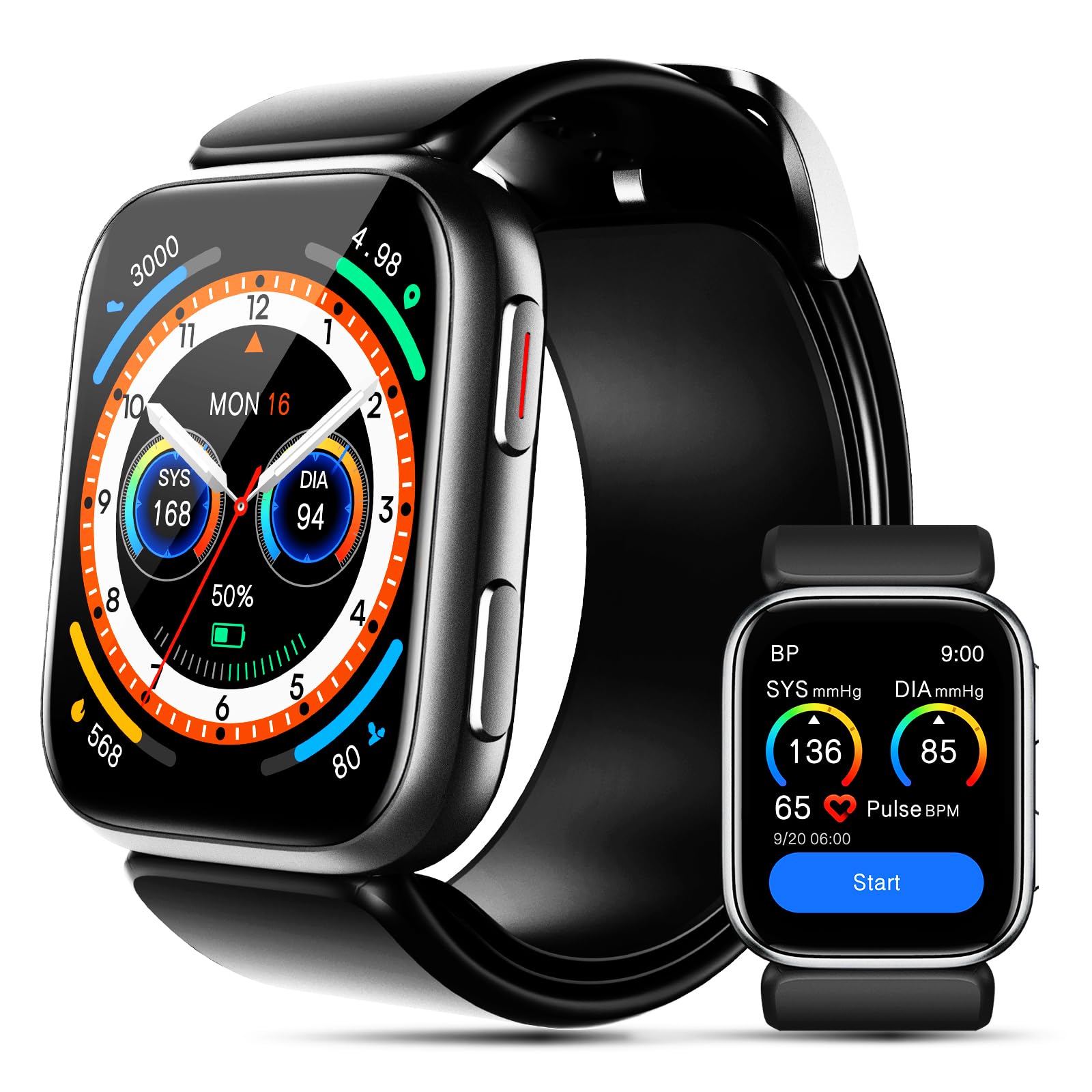
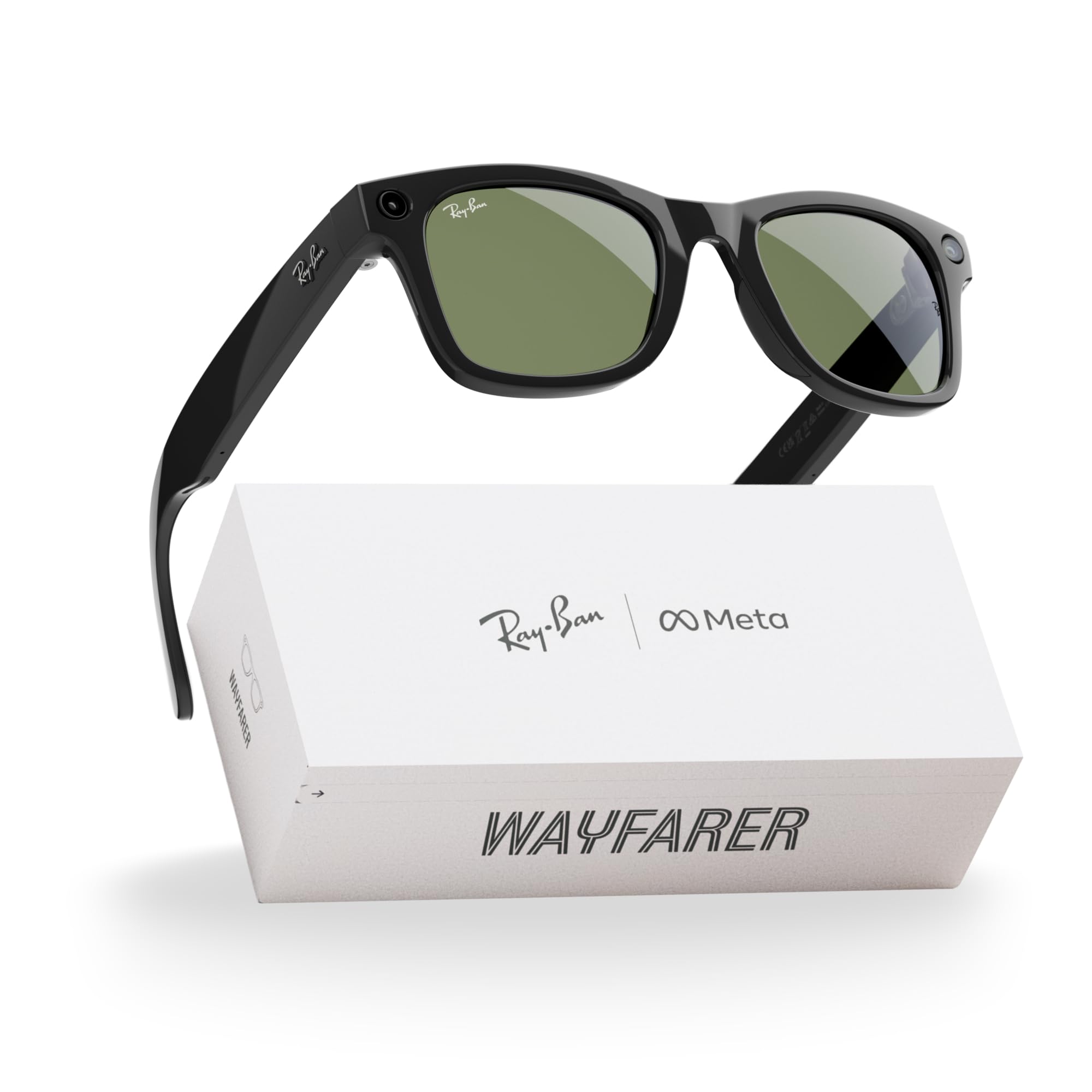
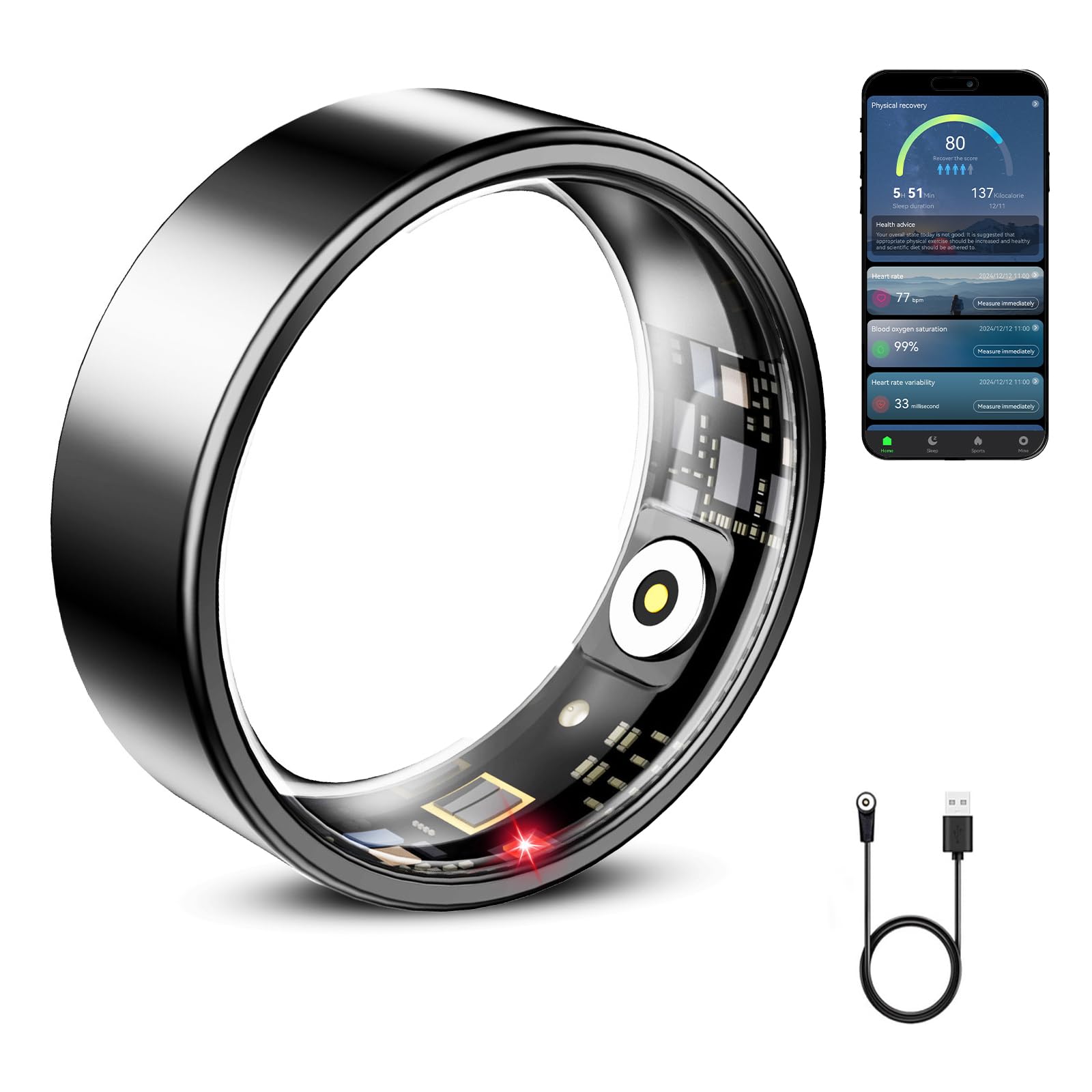
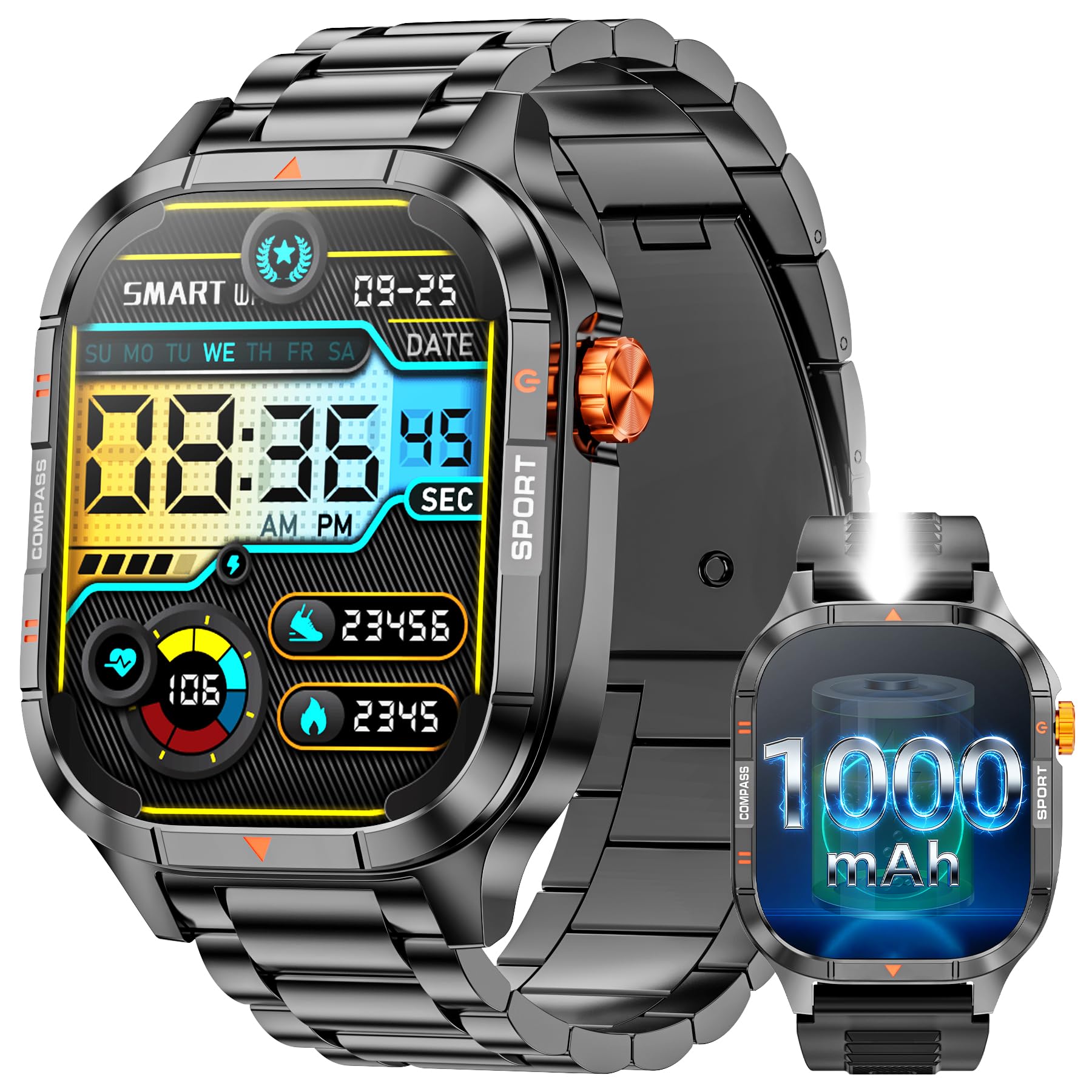
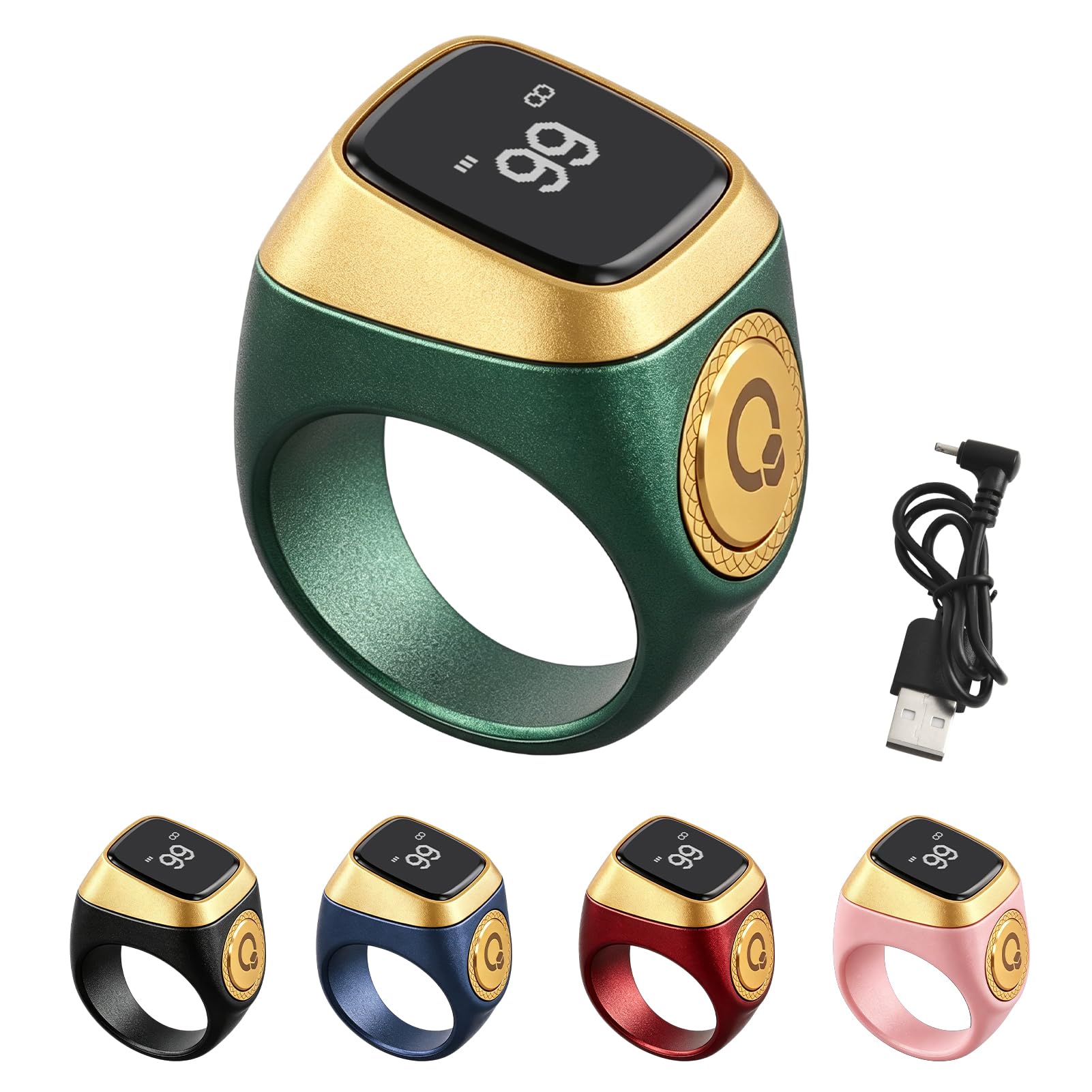
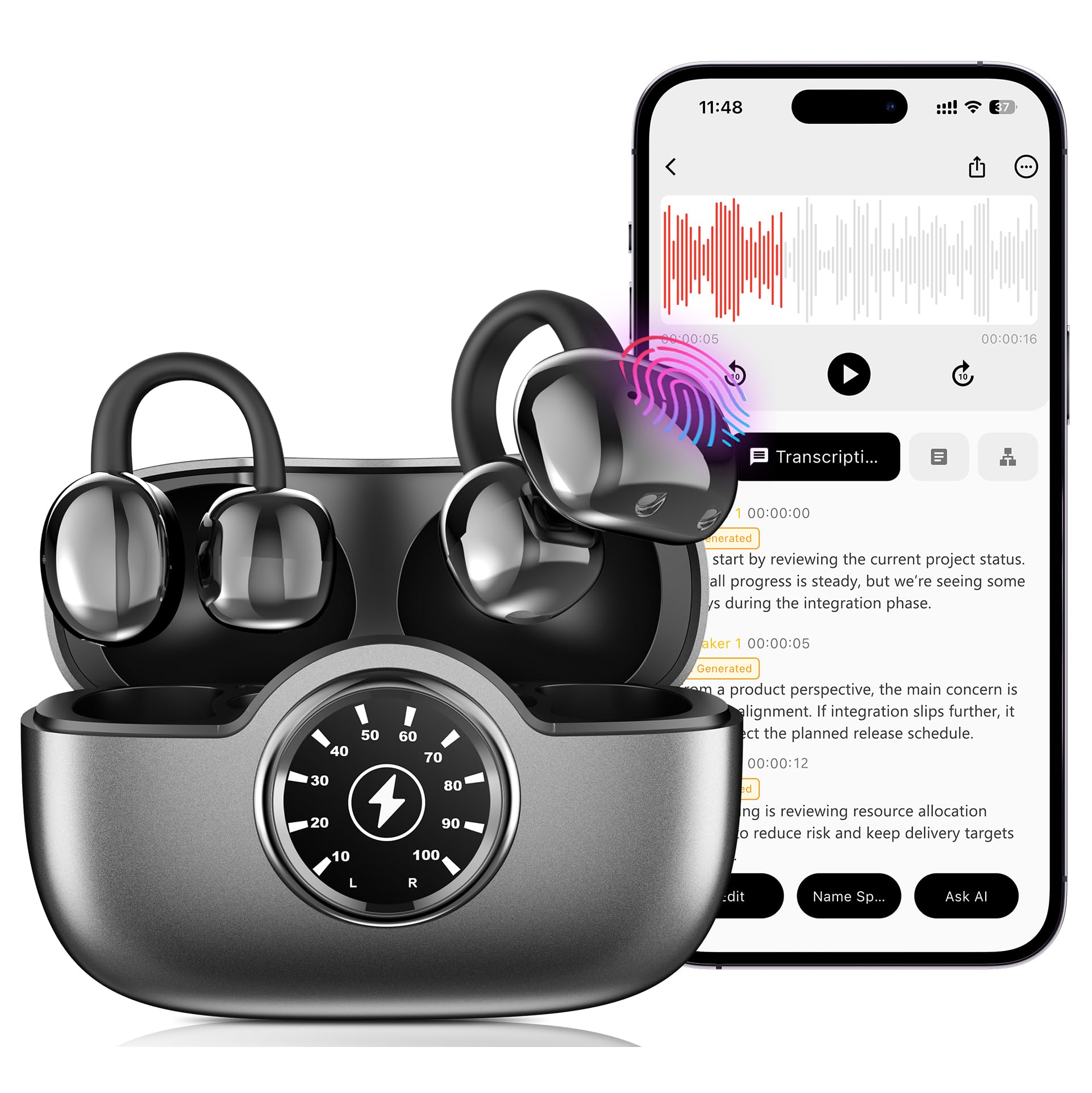
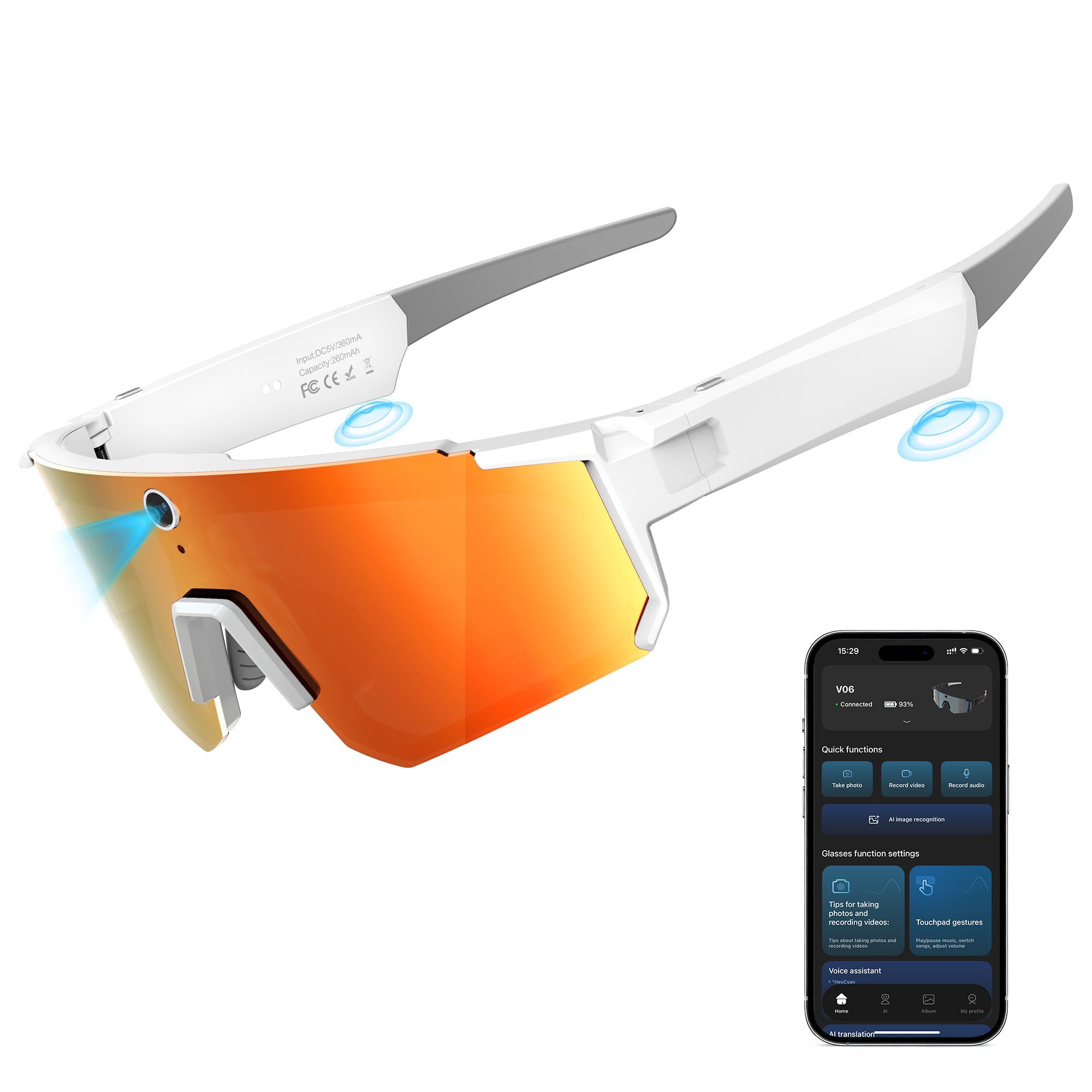
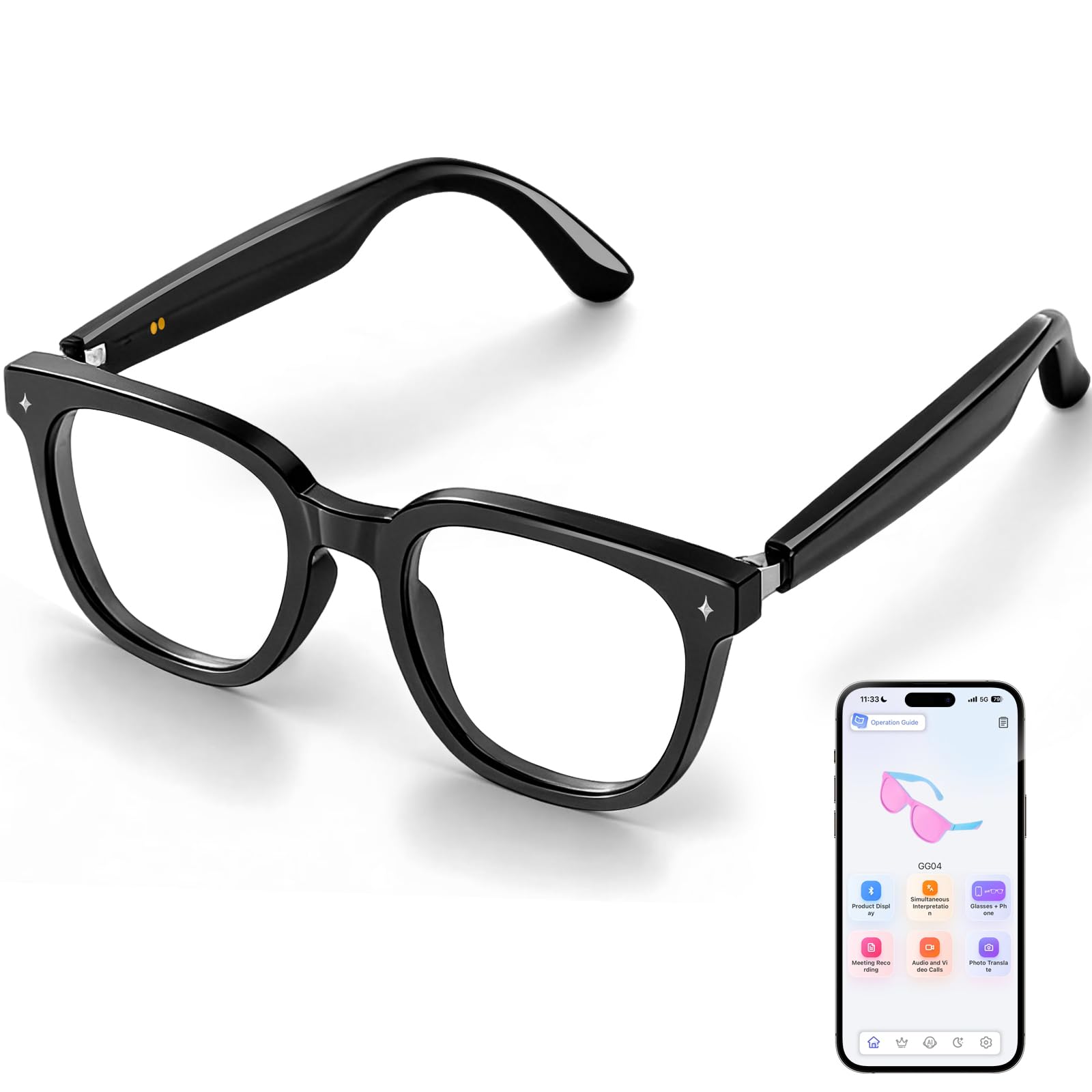
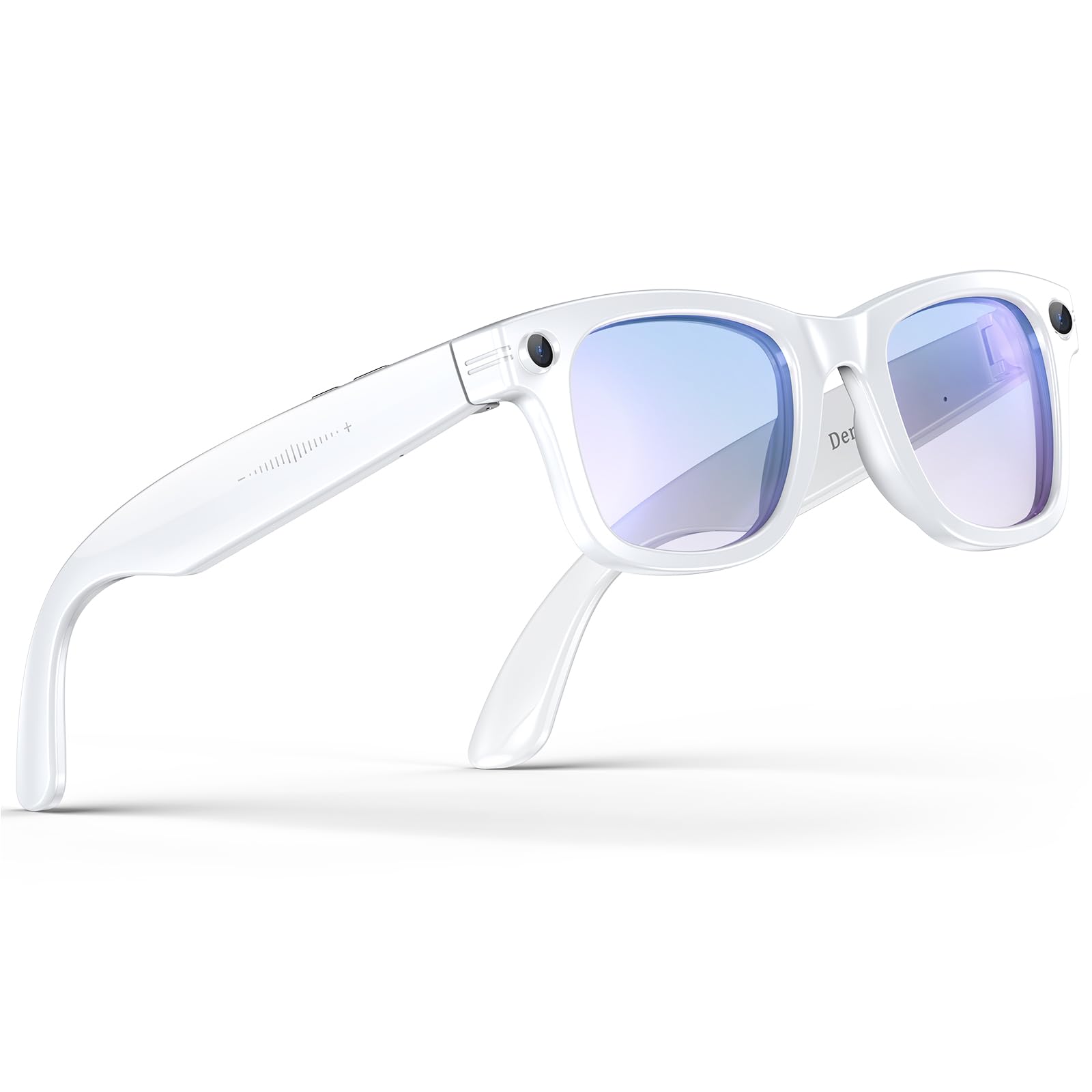
This guide offers a structured introduction to designing and building wearable technology using Arduino systems, moving from initial prototype concepts to functional, purpose-driven devices. It covers the foundational principles of wearable electronics, including sensor integration, power management, and data processing, all within the context of practical, hands-on development. The material is presented in a clear, step-by-step manner, making complex topics accessible to readers with basic electronics knowledge. Emphasis is placed on real-world applicability, helping users transition from theoretical understanding to actual construction and testing of wearable prototypes.
Amazon Deal Informed Wearable Technology Guide for Arduino

Wearable Technology
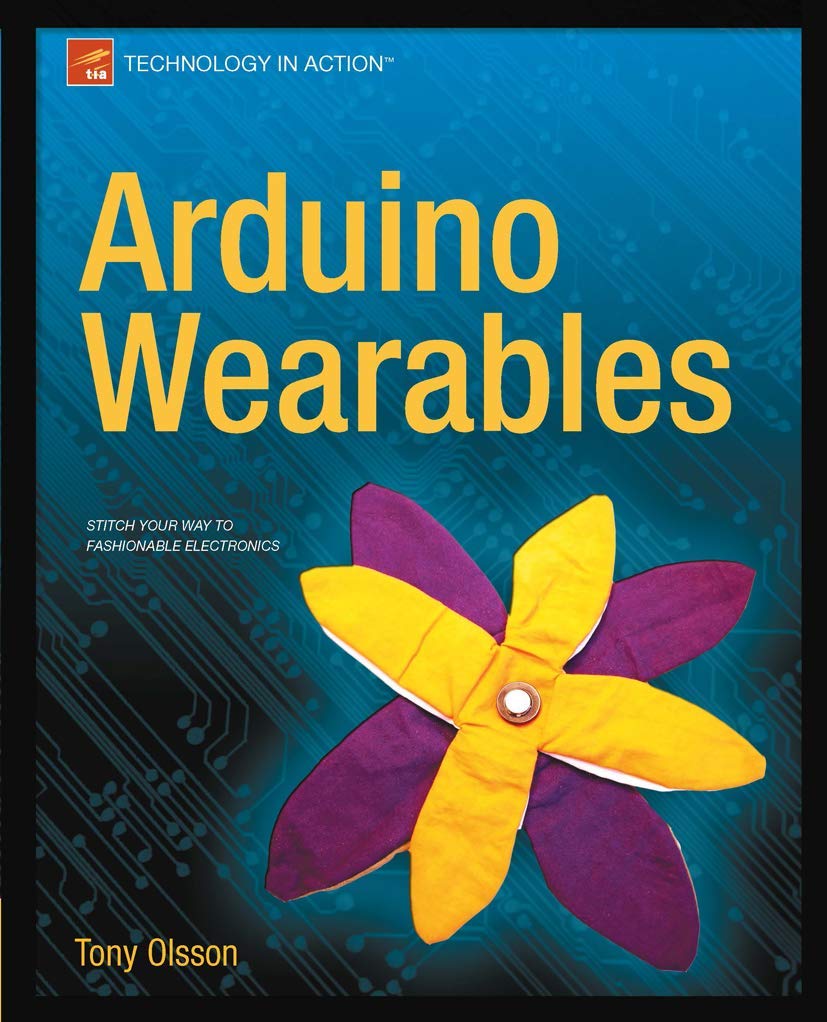
The Ultimate Guide to Informed Wearable Technology: A hands-on approach for creating wearables from prototype to purpose using Arduino systems
$6.00
The price is for reference only, the actual price shall be subject to that on Amazon.
Amazon Deal: Informed Wearable Technology Guide for Arduino.
Learn to build wearable devices from prototype to purpose with Arduino systems. This affordable guide offers practical, hands‑on approaches for informed wearable technology. A great value resource for beginners and hobbyists.
Product Description
The book is organized around common challenges in wearable tech development, such as miniaturization, ergonomics, and connectivity. It explores various Arduino-compatible boards and components, detailing how to select and configure them for different wearable applications. Readers will find discussions on choosing appropriate sensors for health monitoring, activity tracking, or environmental sensing, along with guidance on writing efficient code to handle data collection and transmission.
The text also addresses battery life optimization and enclosure design, two critical factors for comfortable, long-lasting wearables. A key feature of this volume is its focus on iteration and refinement. Rather than presenting a single finished design, it encourages an experimental mindset, showing how to test, evaluate, and improve prototypes based on performance data.
This approach helps builders understand the trade-offs between power consumption, size, and functionality. The instructions include wiring diagrams, code snippets, and troubleshooting tips, all written in plain language suitable for hobbyists, students, and professionals new to the field. By the end of the guide, readers will have a solid foundation in wearable electronics and a clear methodology for turning ideas into working devices.
The content is practical and avoids unnecessary technical jargon, making it a valuable resource for anyone interested in creating custom wearable technology. Whether for personal projects, academic research, or product development, this book provides the essential tools and knowledge needed to move from concept to a finished, usable wearable system. The affordable price point of under six dollars makes this comprehensive reference an excellent investment for learning and experimentation.
Price Compare
Batch 1 of 3



















Today's Deals