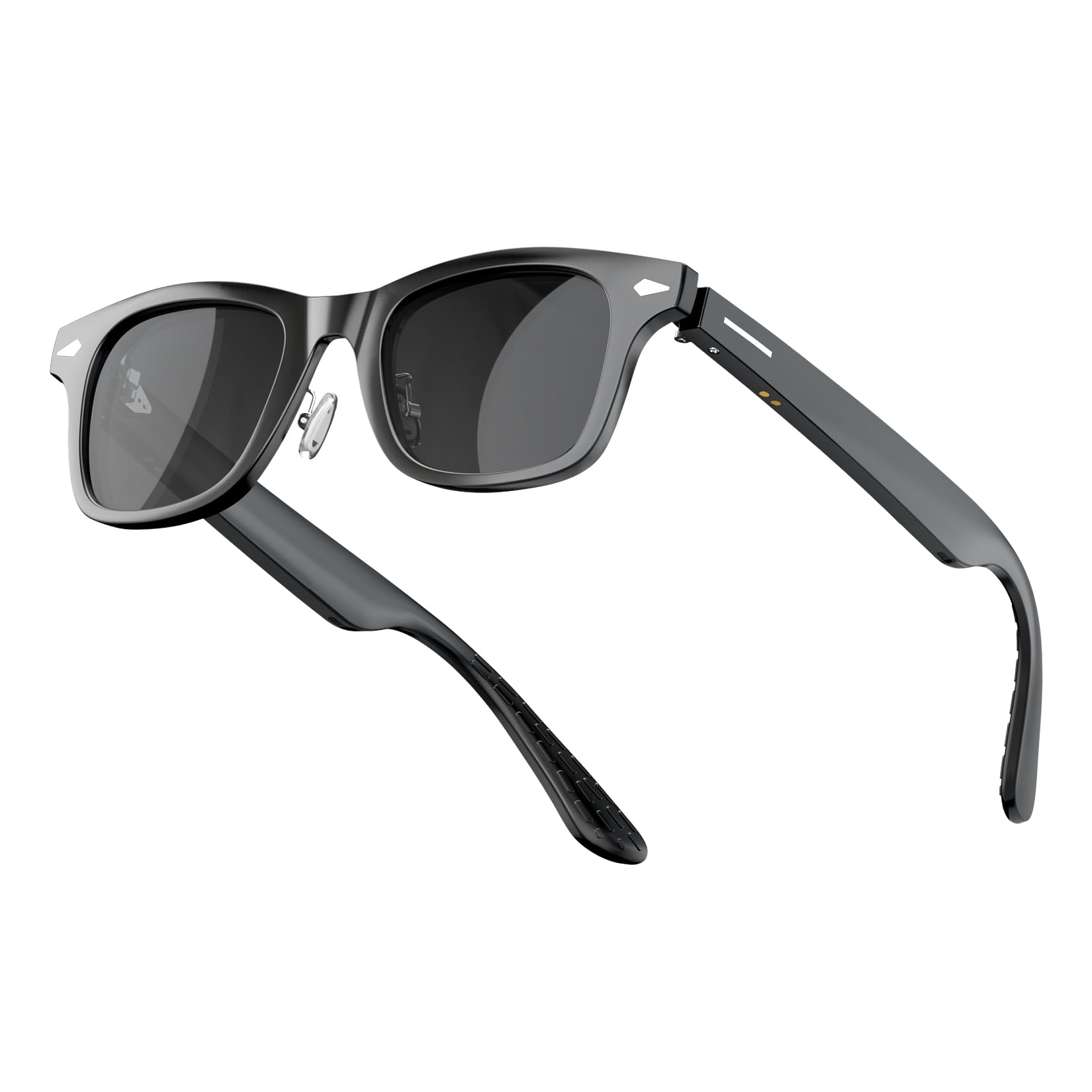
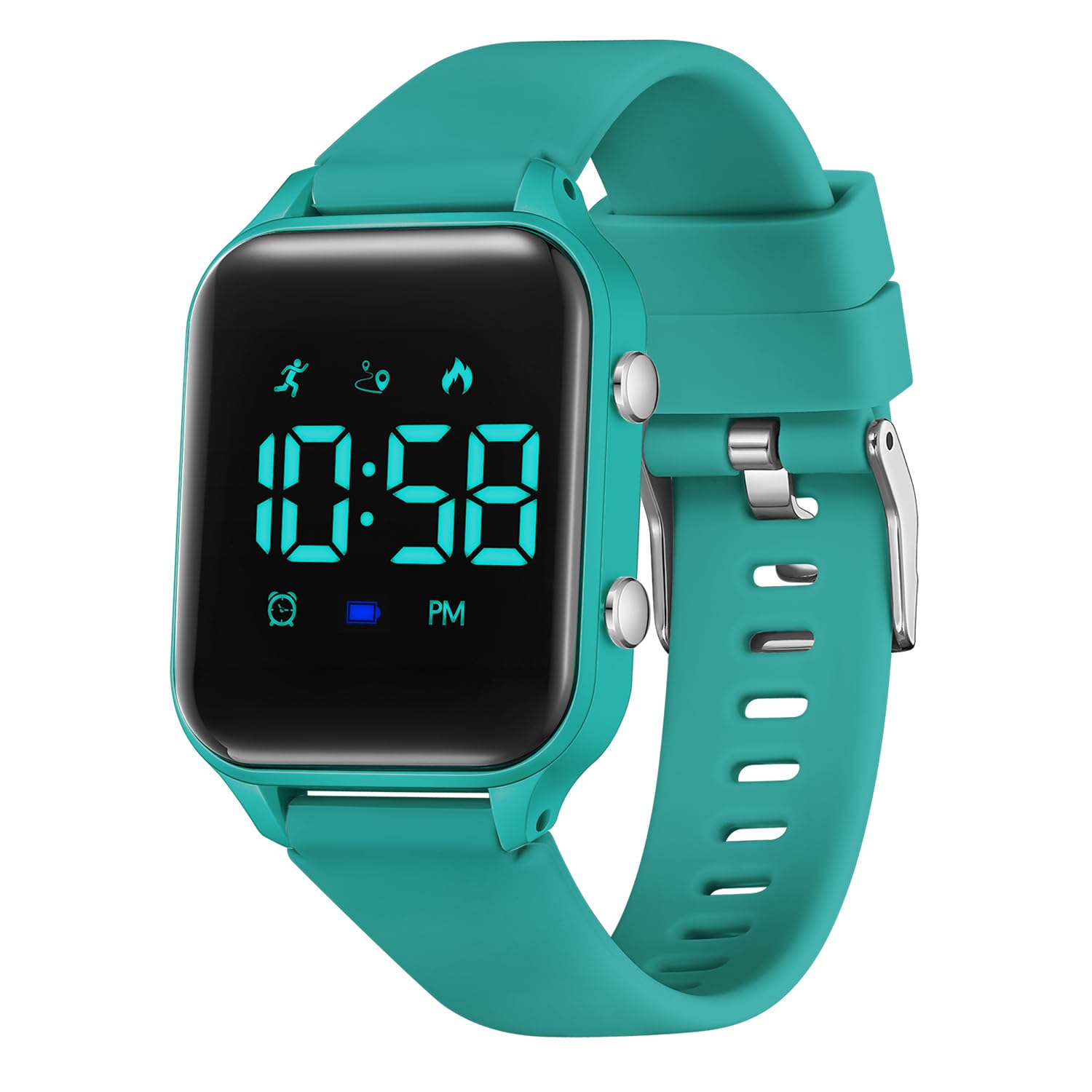
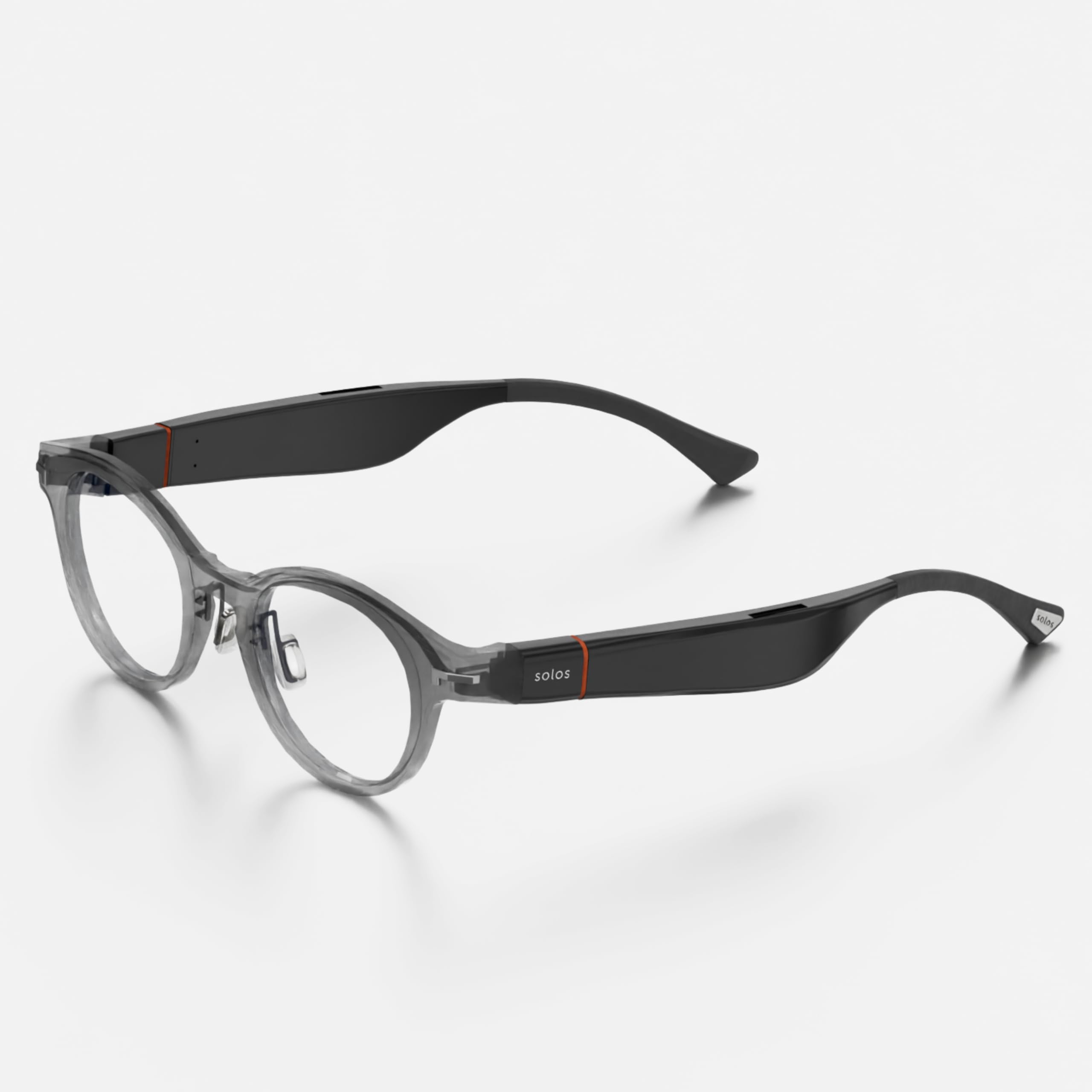
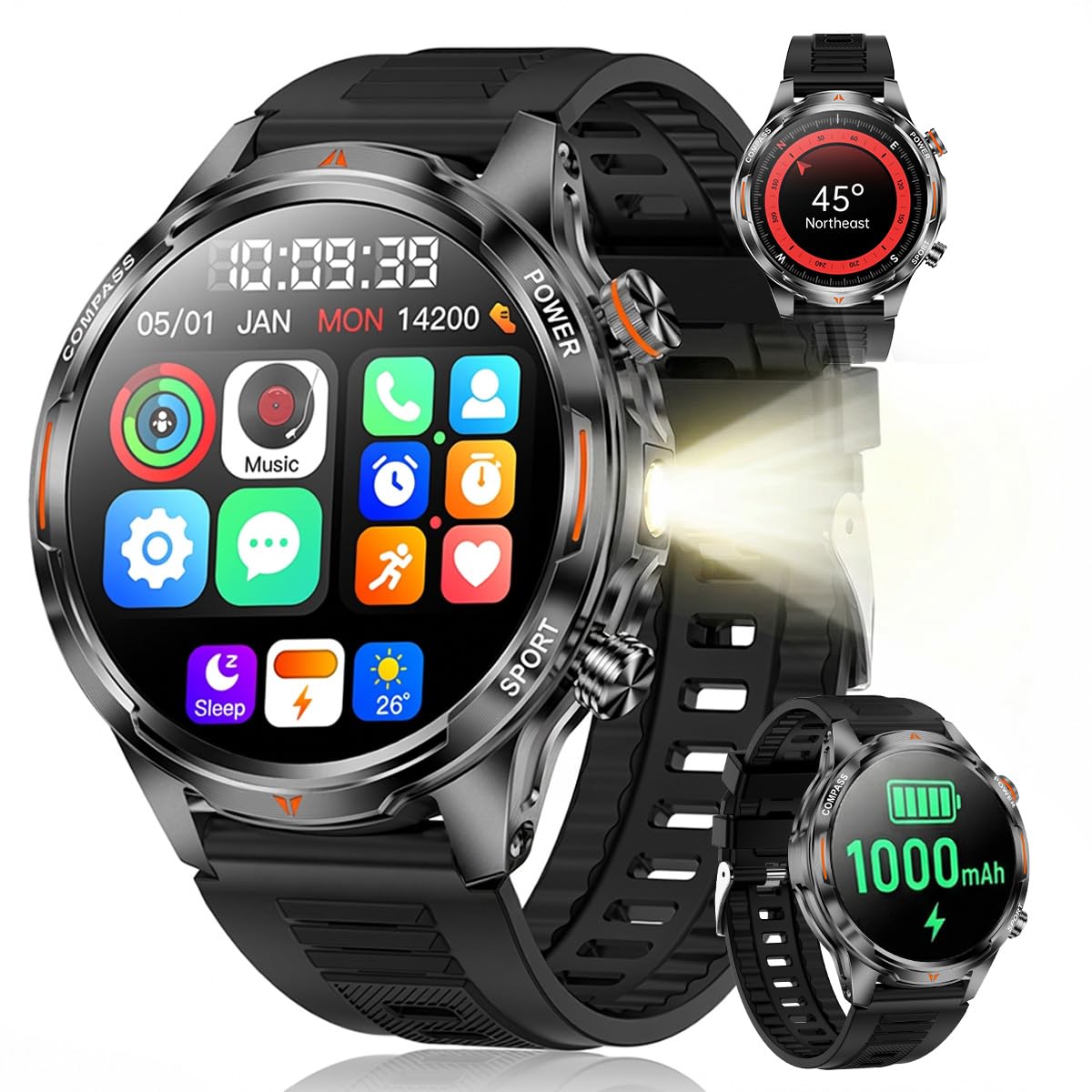
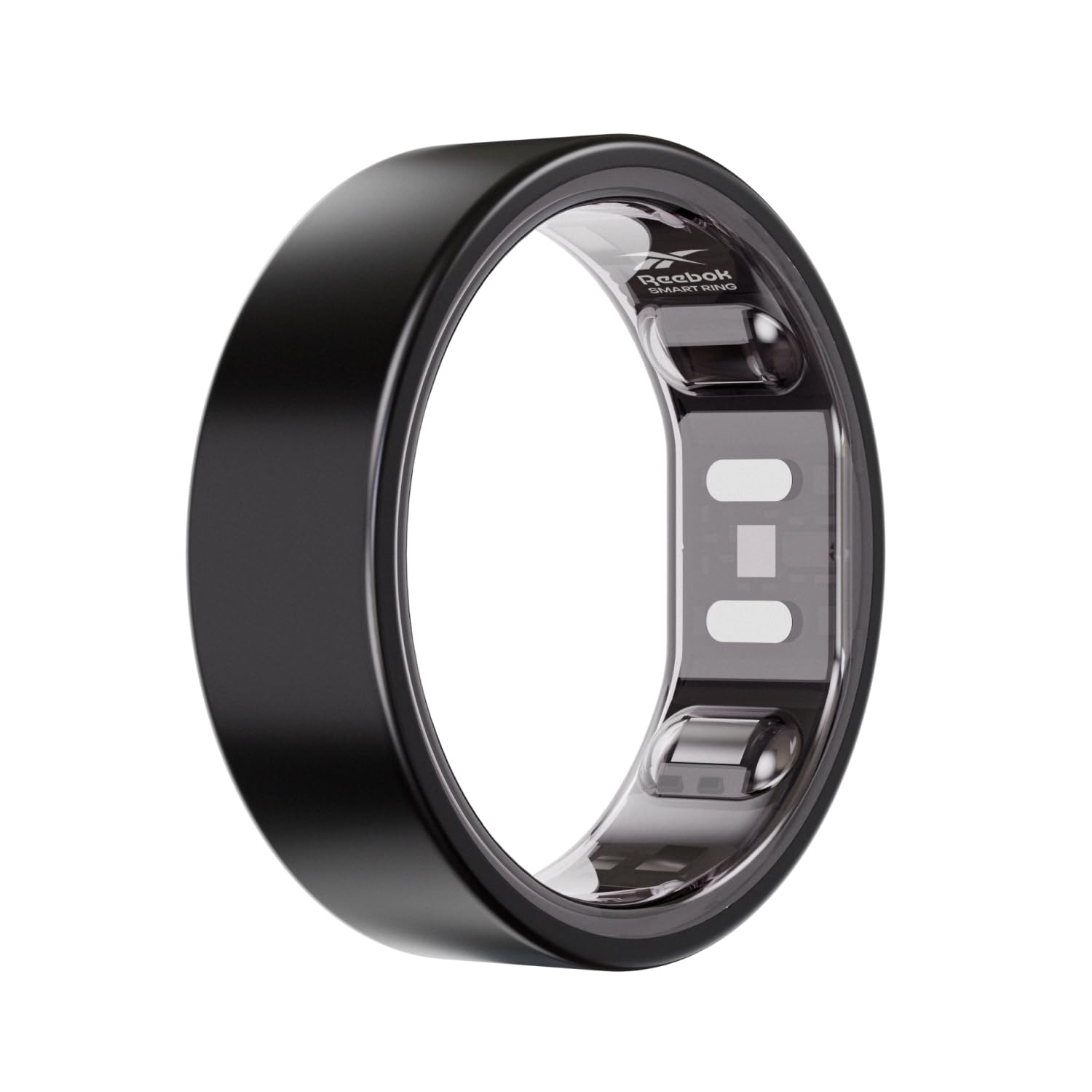
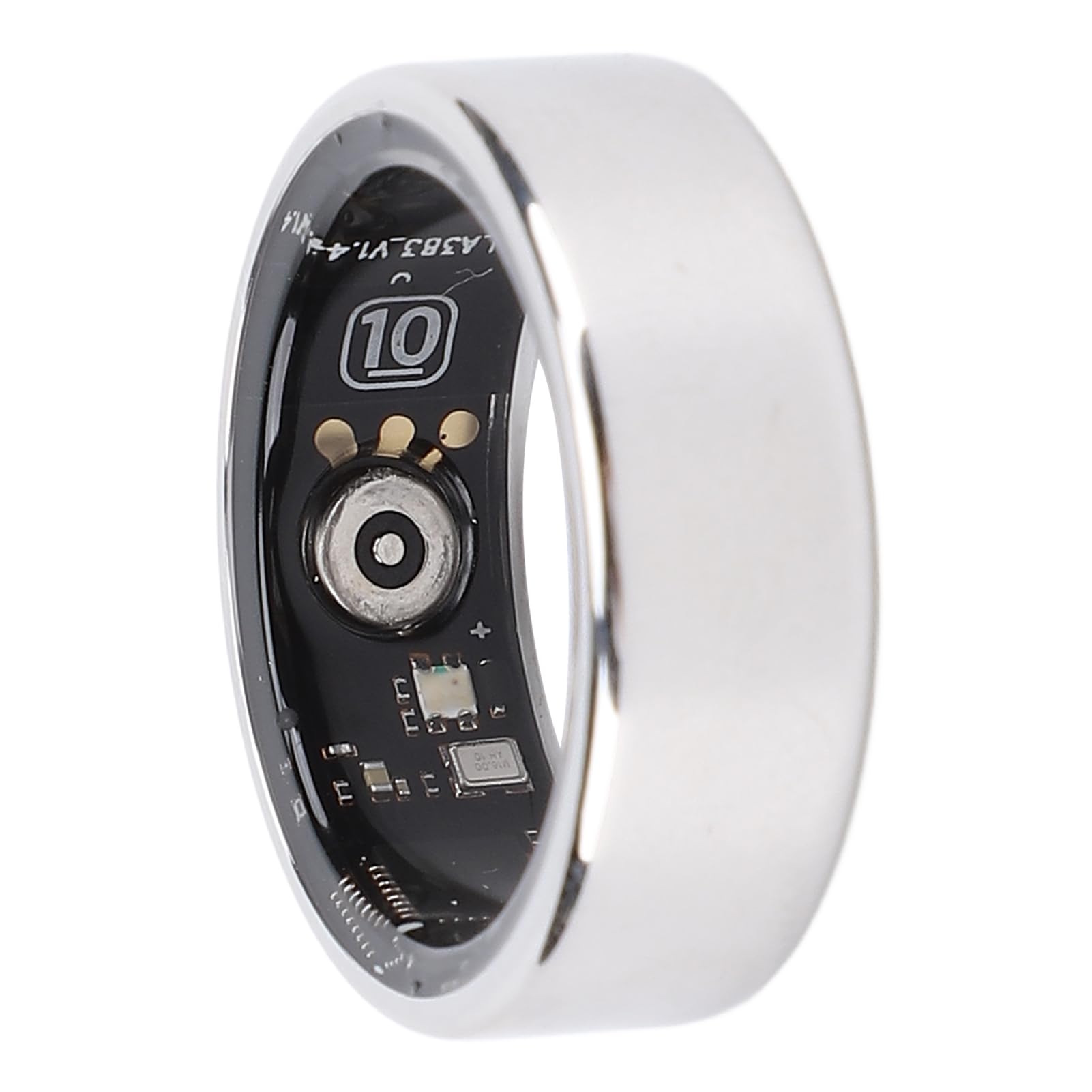
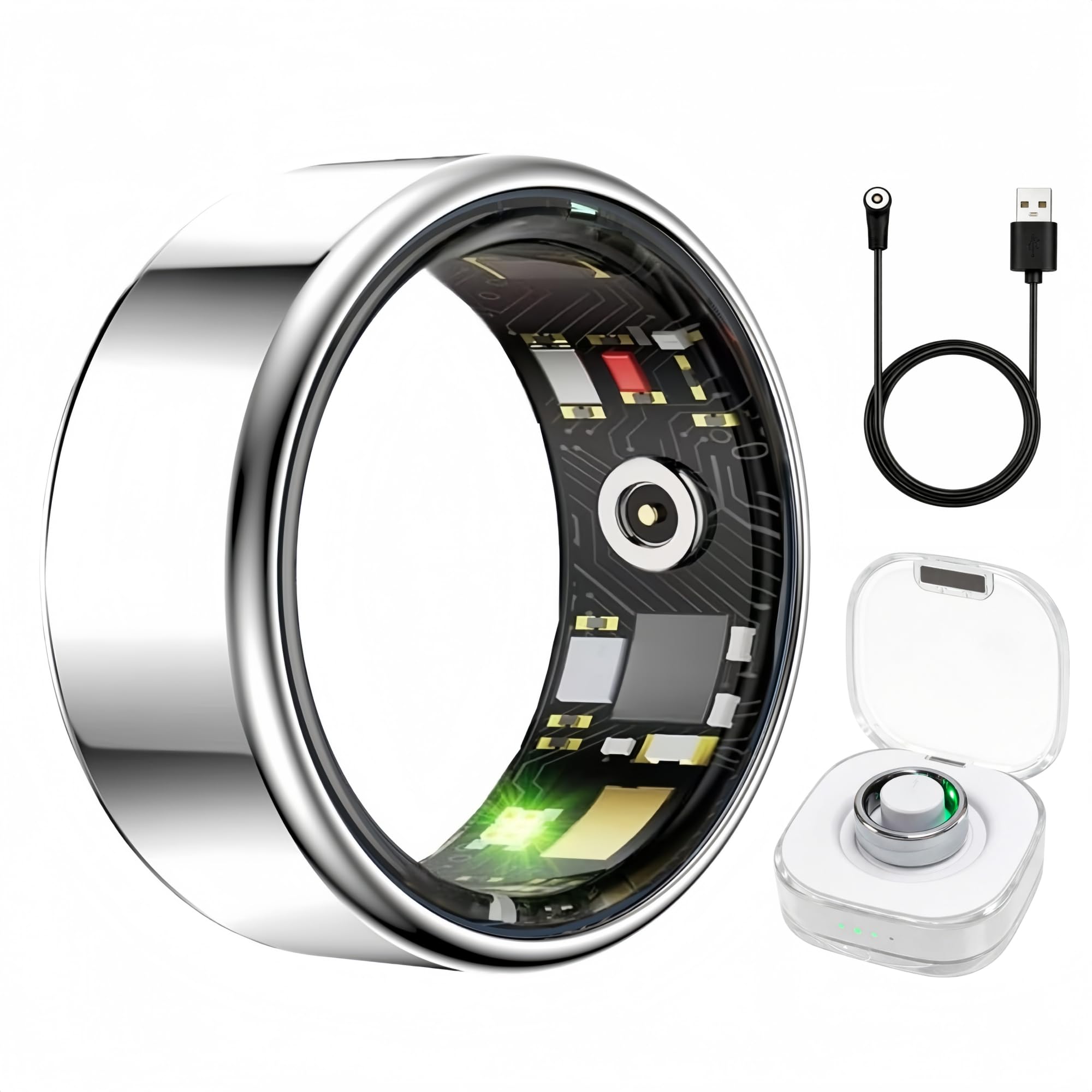
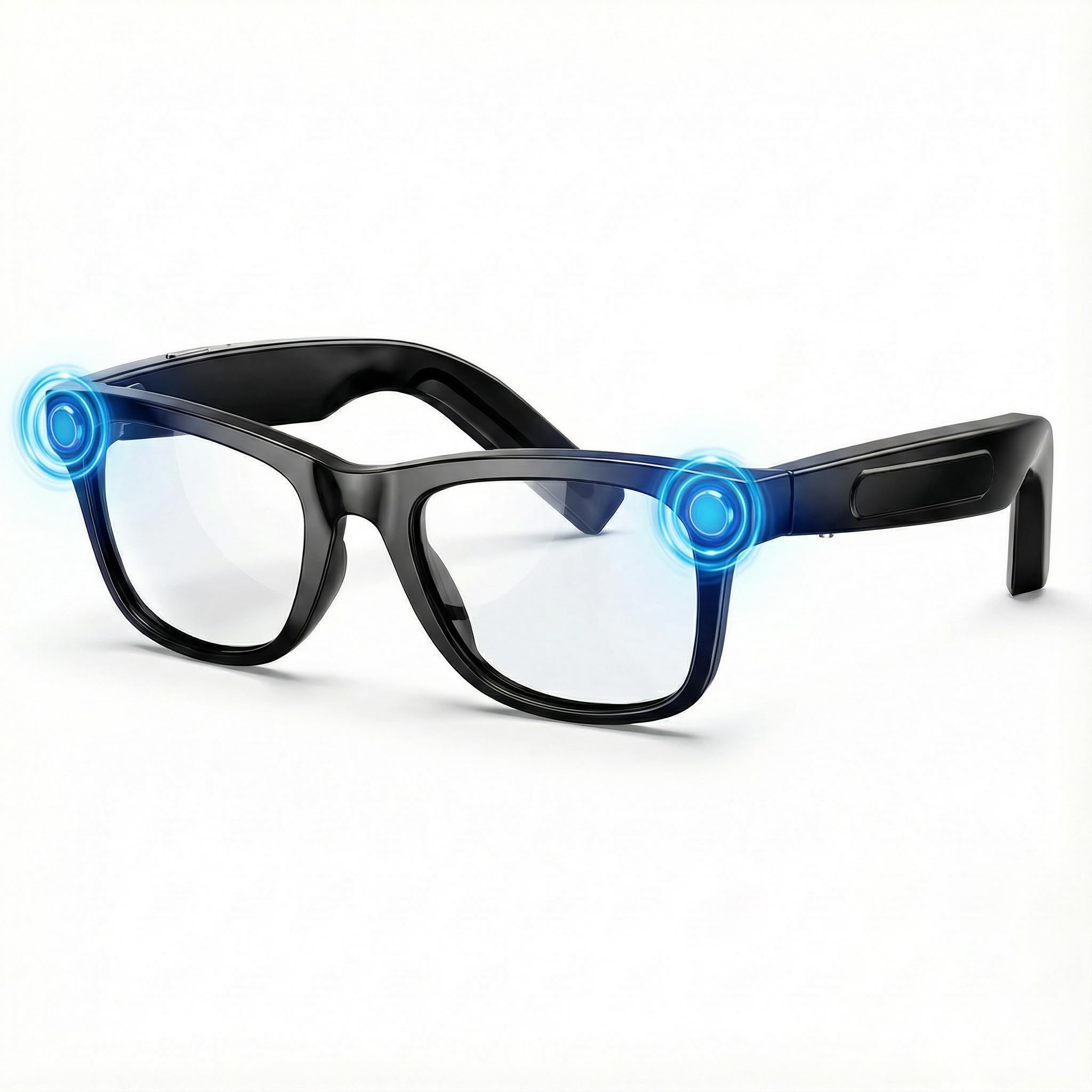
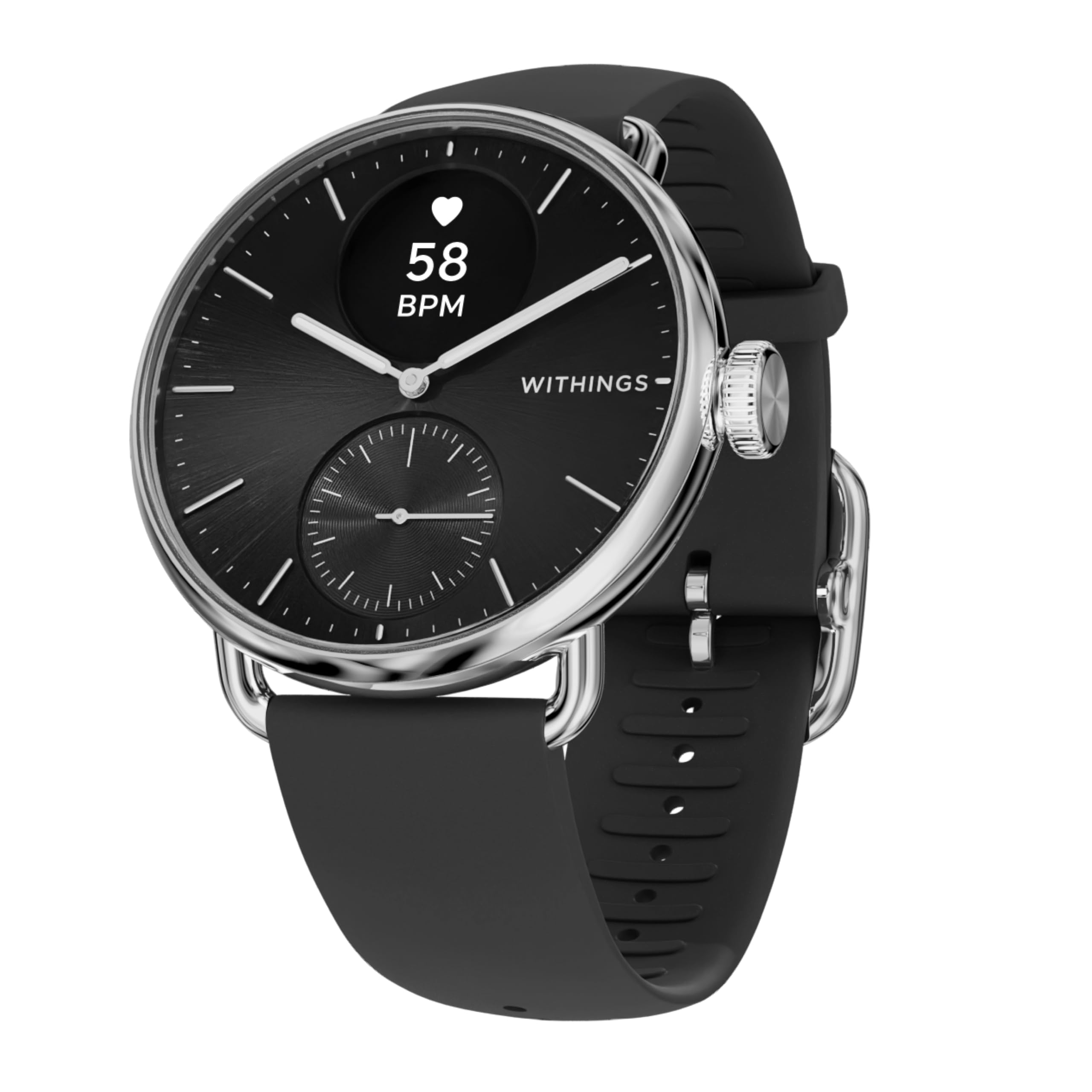
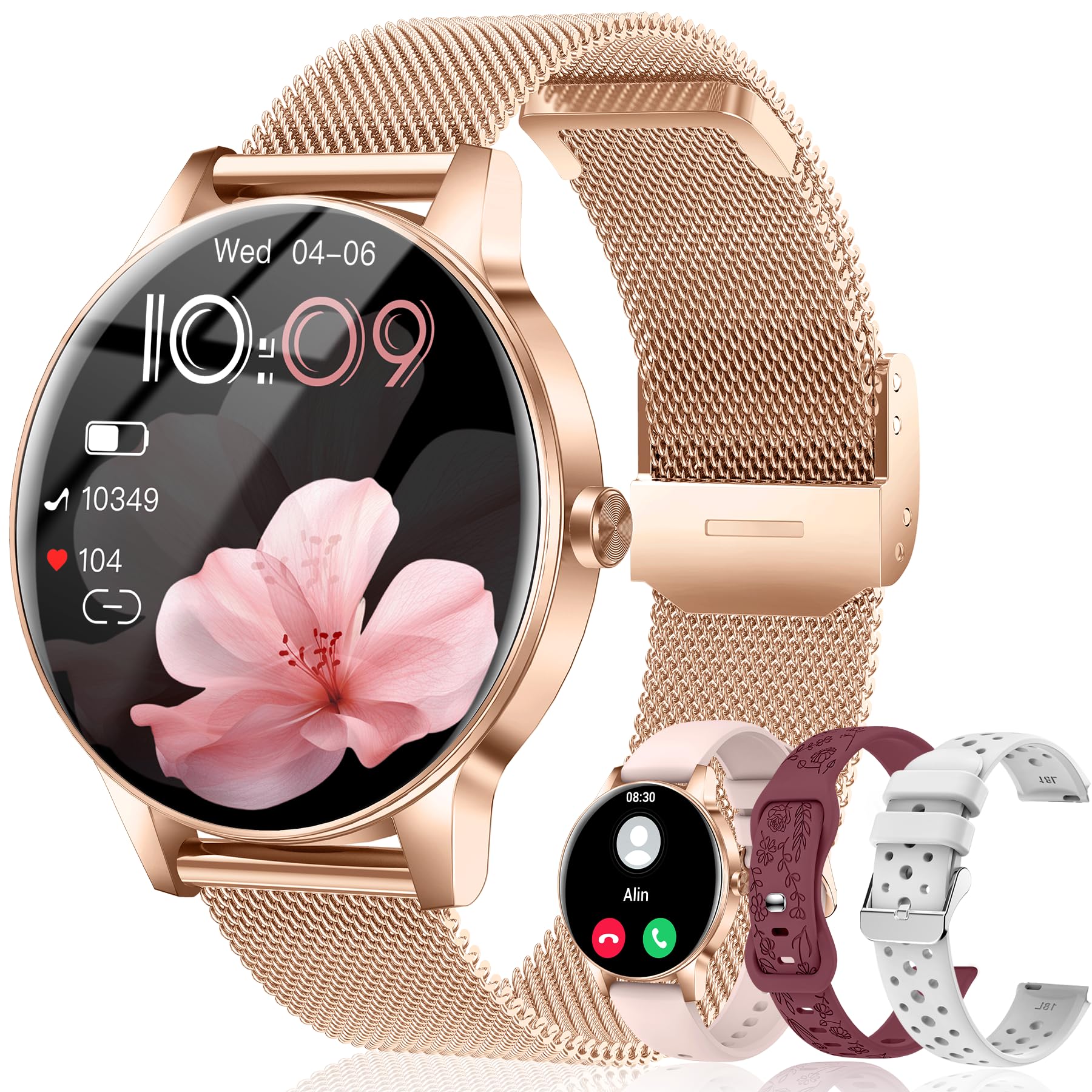
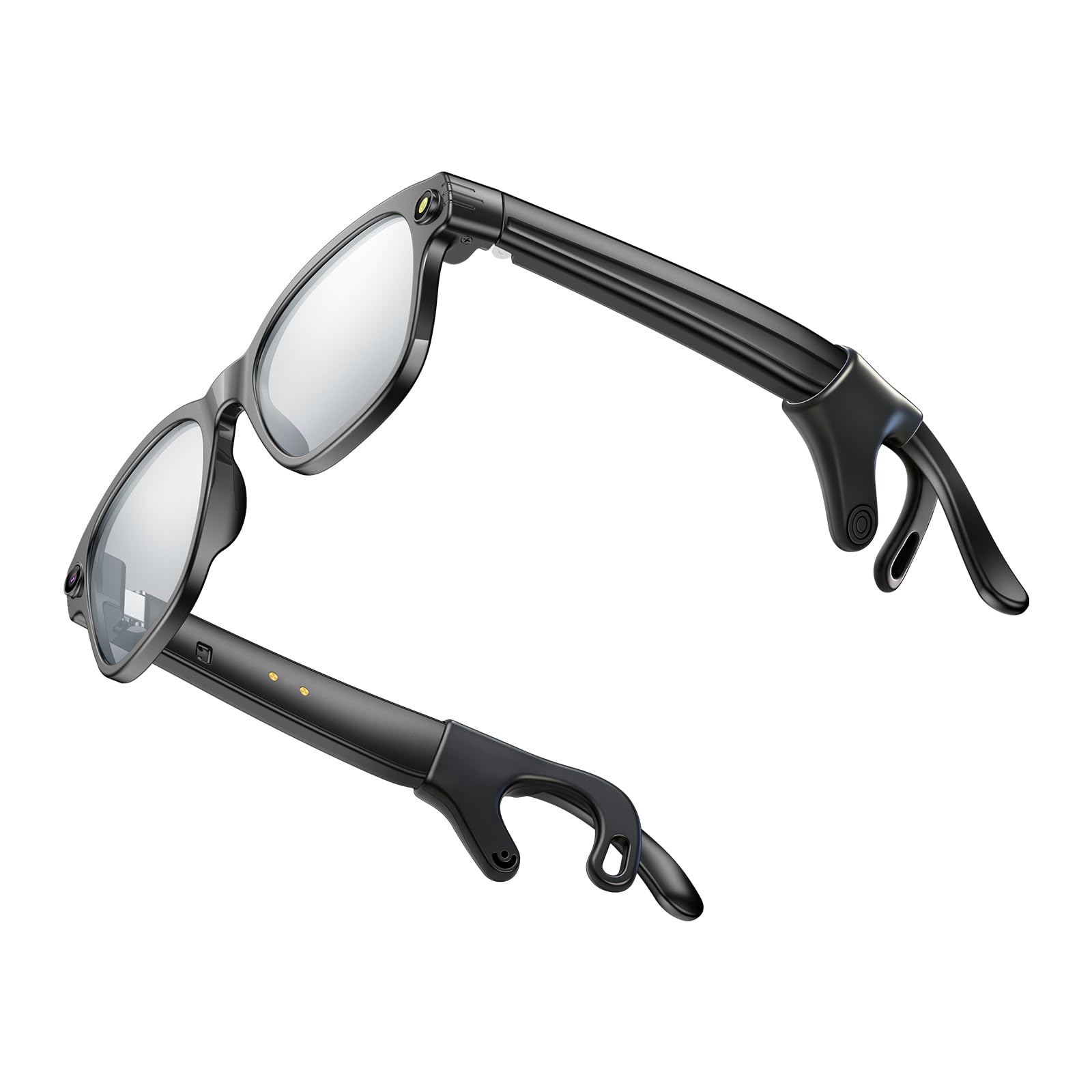
How Wearable Technology Works offers a comprehensive, in-depth exploration of the inner workings and design principles behind modern smartwatches, augmented reality glasses, health monitors, and the next generation of human-centric devices. This volume from the HOW IT WORKS series presents a clear, technical yet accessible analysis of the components, sensors, algorithms, and materials that make wearable electronics function reliably. Readers gain insight into the construction of lightweight, durable enclosures, the integration of low-power processors and wireless connectivity, and the precise calibration of health-tracking sensors such as optical heart rate monitors, accelerometers, and bioimpedance sensors.
Wearable Technology Explained Low Price Deal on Amazon for This Guide
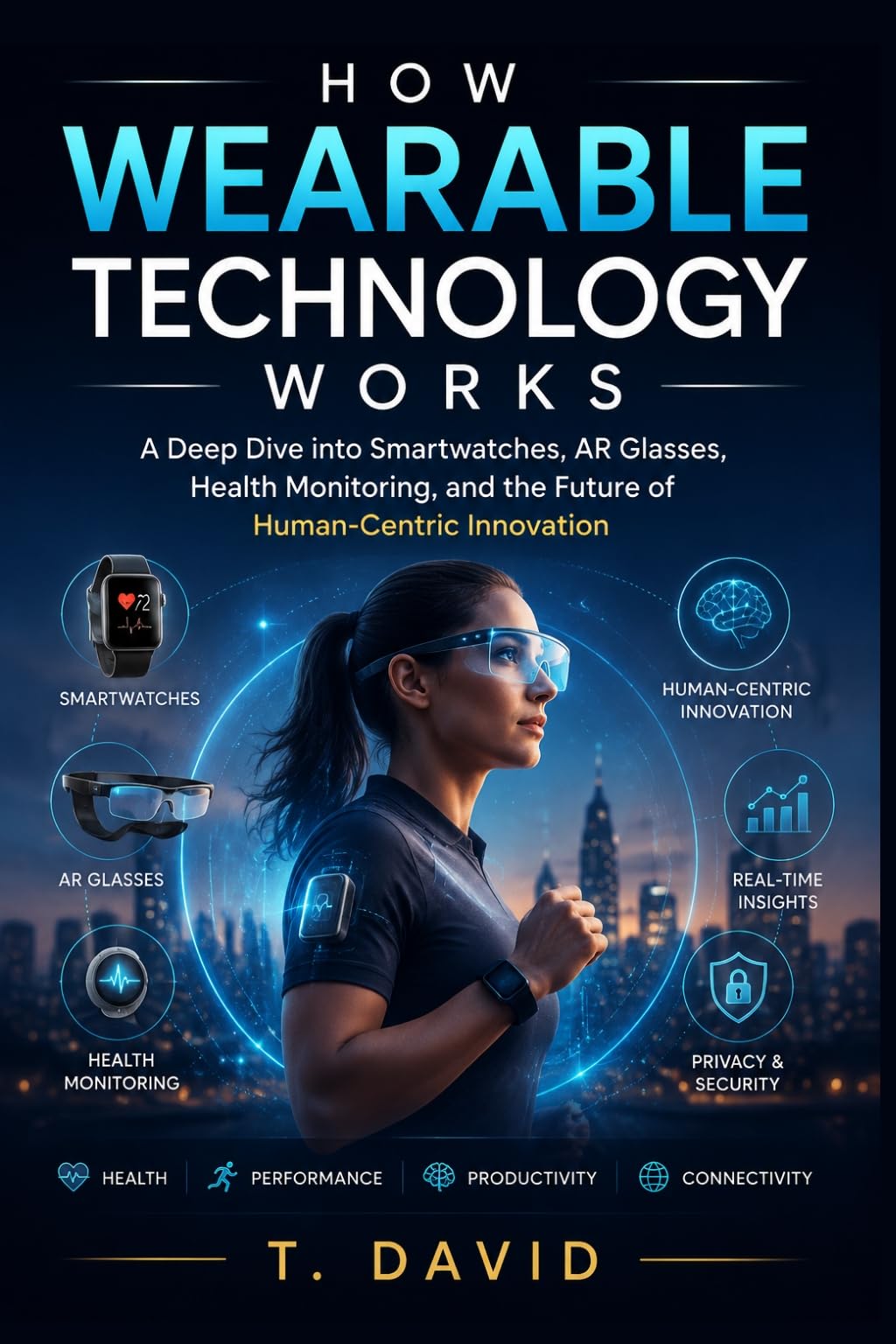
Wearable Technology
How Wearable Technology Works: A Deep Dive into Smartwatches, AR Glasses, Health Monitoring, and the Future of Human-Centric Innovation (HOW IT WORKS: ... OF TECHNOLOGY AND INNOVATION Book 17)
$1.00
The price is for reference only, the actual price shall be subject to that on Amazon.
Wearable Technology Explained – Low Price Deal on Amazon for This Guide.
Discover how smartwatches, AR glasses, and health monitors really work. This affordable guide explains sensors, materials, and engineering. Great value for tech learners and Amazon shoppers.
Product Description
The text details how these elements work together to produce accurate data, stable performance, and intuitive user interfaces in everyday conditions. The book covers the engineering trade-offs between battery life, form factor, and computational power, explaining how manufacturers optimize materials like aluminum, stainless steel, ceramic, and flexible polymers to achieve comfort and resilience. It describes the quality control processes involved in sealing devices against moisture and dust, the testing of touchscreens and haptic feedback systems, and the firmware routines that maintain smooth operation over extended use.
The section on AR glasses delves into waveguide optics, microLED displays, eye-tracking cameras, and the computational challenges of rendering virtual overlays in real time, all while keeping the unit lightweight and power-efficient. For health monitoring, the narrative explains the physics and electronics behind photoplethysmography, electrocardiography, galvanic skin response, and thermometry, and how algorithms filter noise and motion artifacts to deliver reliable metrics. It also discusses the role of machine learning in personalizing thresholds and detecting anomalies.
The final chapters explore emerging trends: flexible and stretchable circuits, sensor fusion, edge computing, and the push toward ubiquitous, invisible wearables that blend into clothing and accessories. Priced at a very affordable rate, this book is an excellent resource for technology enthusiasts, students, engineers, and anyone curious about how these devices truly function. It avoids marketing hype and focuses on real-world engineering, component-level details, and performance characteristics.
The language is clear and structured, making complex topics approachable without oversimplifying. Suitable for self-study or as a supplementary text, it provides a solid foundation for understanding both current products and the trajectory of future innovation in wearable tech.
Price Compare
Batch 1 of 3






















Today's Deals